
Back to Blog
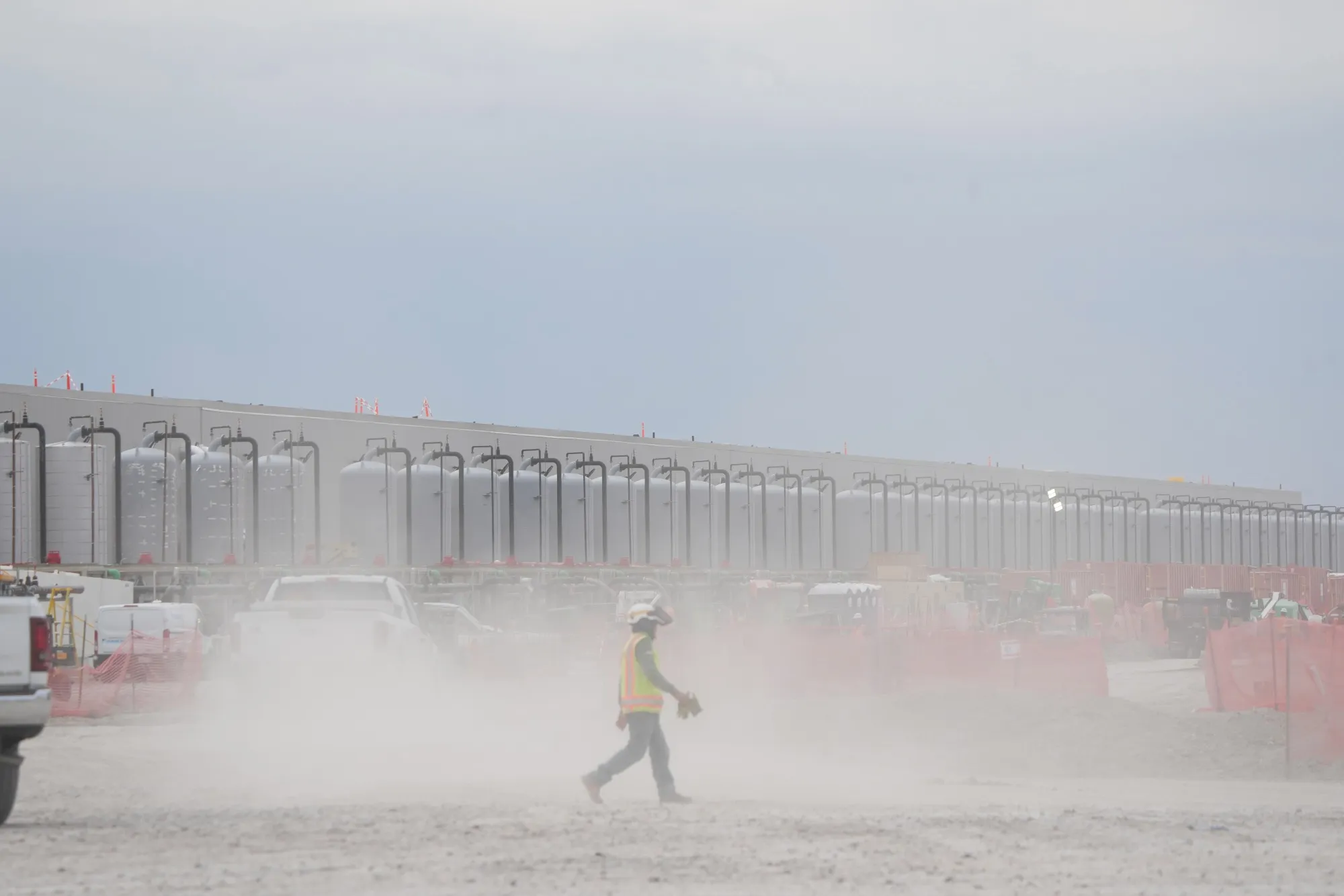
Bloomberg’s Going Private newsletter featured a new study from Scientific Climate Ratings examining how climate change and physical risk are reshaping the way investors should evaluate AI data center infrastructure, ahead of hyperscaler financials.
Rémy Estran-Fraioli, CEO of Scientific Climate Ratings, told Going Private:
“Data centers are capital-intensive, long-lived and effectively immovable once constructed. The cloud may be digital, but the economics of AI are becoming increasingly physical.”
Key context from the piece includes:
- Global data center spending is set to reach $31.6 trillion through 2050, according to PricewaterhouseCoopers LLP, as investors race to back capital raises from Amazon Web Services, Microsoft, Google and Meta.
- Analyzing 1,000 premises across 34 countries and 11 hyperscalers, Scientific Climate Ratings found that wind is currently the most potent quantifiable hazard, affecting all 1,000 assets with a discounted cost of inaction of 5.51%by 2050, while flood risk was highly asymmetric: modeled at just 185 sites, but reaching as high as 8.92% of asset value at the worst-placed site.
- The study showed stark differences in the average annual financial impact by country. Japan was highest at 2.78%, followed by the Netherlands at 1.85%, while Ireland came in at 1.47%. By comparison, the US, home to 616 of the 1,000 facilities analyzed, averages 0.60%.
Bloomberg drew on Scientific Climate Ratings’ finding that the value and resilience of AI infrastructure is driven far more by location than by which hyperscaler operates the asset, since climate hazards make no distinction between marquee names and smaller peers.
As Estran-Fraioli told Bloomberg, this creates:
“a highly asymmetric risk profile, with little or no impact across most of the portfolio but potentially significant losses at a small number of facilities.”
Read the full piece here.